Tips for Picking the Proper Dumpster Size
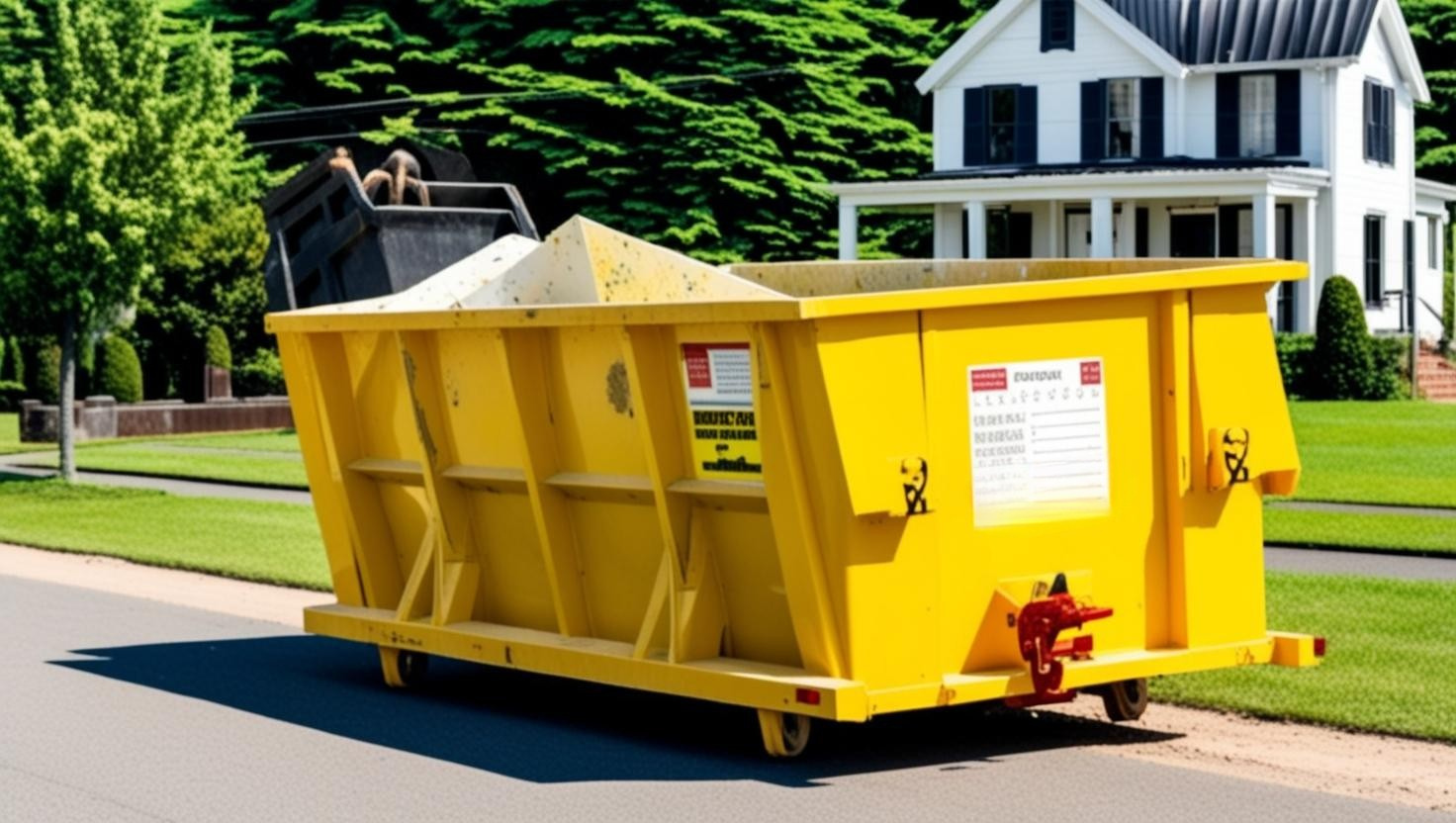
As you organize a cleanup, upgrade, or site project, a frequently ignored step is choosing the appropriate dumpster size. Many people focus on the work itself but fail to consider how waste will be managed, which can affect both efficiency and safety. Choosing a dumpster that is too small may cause overflow and multiple hauls, while one that is too large may take up unnecessary space. Effective waste control begins with selecting the right container, making sure debris is managed cleanly and efficiently.
At Junk Bee Gone, we know how essential this choice is to the outcome of your work. Dumpsters serve beyond waste disposal, acting as an essential resource to keep worksites clear and safe. By learning how to evaluate your waste needs, you can avoid delays and maintain steady progress. The right size also reduces clutter, creating a safer environment for everyone involved. With the right approach, selecting a dumpster becomes a strategic choice rather than a guess.
Assessing the Scale of Your Job
The first step in choosing a dumpster is to carefully assess the scope of the project. Projects can vary widely, from small cleanouts to large-scale construction efforts. Debris levels depend on the task and the materials it generates. For example, furniture, household items, roofing, or yard waste each produces different amounts of debris. By considering the full range of waste that will be generated, you can better predict the size of the container that will serve your needs.
The length of your project also matters, because extended work produces additional debris. When a job includes phases like demolition then building, waste amounts shift as time goes on. These considerations ensure the dumpster will handle the total load smoothly. Doing so avoids interruptions and reduces the need for extra hauls, ensuring steady progress. Careful attention to scope and time ensures you choose a container that truly fits the work.
How Waste Materials Influence Container Selection
Different waste types require different planning, and knowing what materials you will dispose of affects container choice. Weighty items such as concrete and soil differ greatly from lighter materials like furniture or paper. The volume of bulky debris differs even when the weight appears manageable. Incorrect assumptions cause strain on the container and poor space usage. Proper recognition of material type ensures your container is neither overfilled nor underutilized.
By identifying the main categories of waste before your project begins, you can match the dumpster to your requirements more accurately. Consider whether your cleanup will involve mainly household clutter, yard debris, or construction rubble. Each type of waste has unique characteristics that influence the best dumpster option. This awareness allows for better planning and helps maximize the value of your rental, ensuring that no space is wasted while also avoiding unnecessary strain on the container. Preparedness helps align dumpster capacity with the materials disposed.
Placement and Space Planning for Dumpsters
Placement of the dumpster is a key factor in selecting the right container. It should be positioned where access for delivery and pickup is smooth and users find it practical. Oversized containers on smaller sites often create practical problems. Conversely, a dumpster that is too small may force frequent moves, slowing down progress. Efficiency relies on balancing location with the container dimensions.
Think about the physical layout of your worksite, including driveways, alleys, and open areas. Checking dimensions beforehand ensures hassle-free placement. Accessibility plays a big role, and dumpsters should never obstruct paths or create dangers. Proper placement ensures that the container is easy to use throughout the project, making waste disposal smooth and efficient. Planning container space wisely allows for efficient and safe project operations.
Estimating Volume Accurately
Accurately estimating the amount of waste your project will generate is one of the most important steps in selecting a dumpster. It is common for people to misjudge debris buildup, often leading to overflow and added hassle. An organized process that starts with taking inventory of what will be discarded offers the best accuracy. Dividing the job into phases and estimating debris at every stage gives you a clearer understanding. Such preparation reduces unexpected problems and ensures the chosen dumpster is suitable.
Visualizing the volume of debris in truckloads can also help you translate that into dumpster needs. Big items such as furniture or large boxes often take up space faster than people assume. Overestimating slightly is often safer than underestimating, as it provides a cushion for unplanned items. Accurate assessment helps you pick a container that supports your project without disruptions. Planning ahead prevents interruptions and keeps your project on course.
Benefits of Choosing the Right Size
Selecting the correct dumpster size provides several advantages beyond simple waste collection. A properly sized container minimizes clutter on the job site, which promotes both safety and efficiency. Workers spend less time moving debris around and more time focusing on their tasks. Such order fosters a more professional environment by keeping spaces clear and ready. In the end, having the correct dumpster leads to smoother work and reduced risks.
You also gain efficiency by cutting down on needless hauls and pickups. When the dumpster is large enough for all debris, the work continues without interruptions. Fewer hauls make the process more practical and efficient. Most critically, the proper size container ensures progress without setbacks from debris overload. Confidence in your container size drives a more organized workflow.
Partnering With Professionals for Container Choice
When in doubt about the right dumpster size, working with experienced professionals is the best way to ensure success. Professionals analyze your project and give advice rooted in extensive experience with various wastes. Experienced providers match containers with work demands to prevent wasteful decisions. This guidance is especially important for people renting a dumpster for the first time or managing uncommon waste. Guidance from specialists makes selection easier and more accurate.
Junk Bee Gone has helped numerous customers pick the ideal dumpster size for their projects. Our team listens carefully to your project details, taking into account both volume and material type. We offer suggestions that balance efficiency with convenience so you can prioritize your work. This partnership provides peace of mind, knowing that your dumpster choice is backed by professional knowledge and experience. Relying on professionals ensures dependable and hassle-free disposal.
Making an Informed Dumpster Choice
Picking the proper dumpster is a key factor in ensuring waste is managed effectively. Looking at project scope, debris type, space available, and expected volume enables a better decision. Such measures support safety, organization, and productivity throughout the project. Thoughtful selection prevents avoidable obstacles and keeps the job running smoothly. The right choice fosters steady project progress and reliability.
At Junk Bee Gone, we focus on supporting customers in making well-informed waste handling decisions. Our professional experience directs you to the dumpster size that best fits your needs. Whether handling home cleanouts, construction debris, or large-scale renovations, our service ensures that waste is managed with ease and reliability. Having the proper container allows you dumpster near me to concentrate on finishing your project efficiently. We aim to deliver reliable service that makes waste handling easier and more effective.